
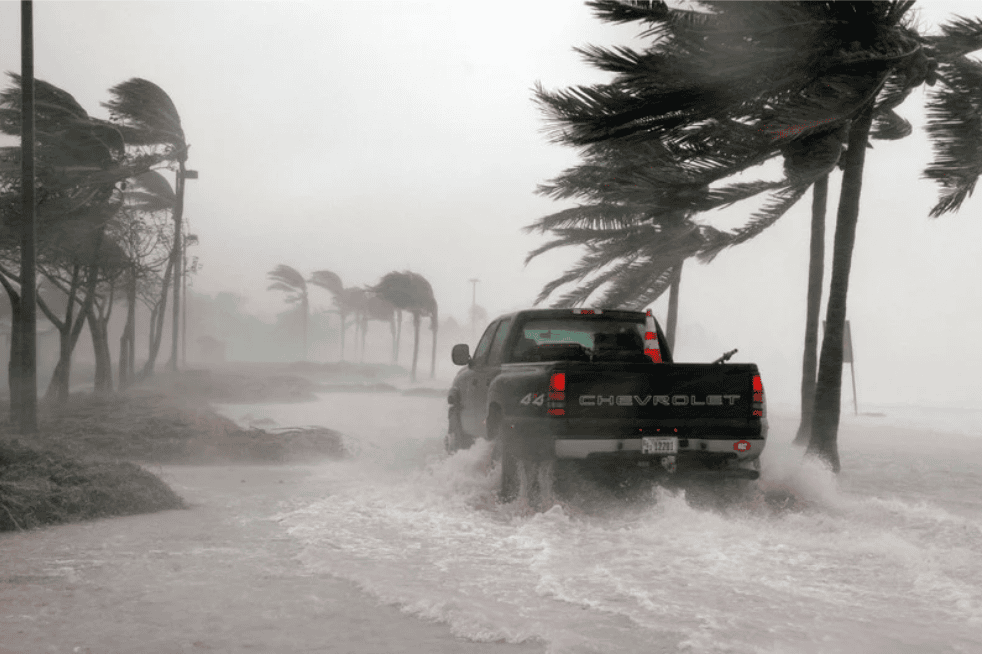
It can feel like natural disasters are happening more often.
Hurricanes, wildfires, floods, severe storms, and heat waves seem to dominate the news cycle with increasing regularity. But is that perception accurate?
The answer is a little more nuanced than a simple yes or no.
Some Extreme Weather Events Are Becoming More Common
According to the Intergovernmental Panel on Climate Change, there is strong evidence that certain types of extreme weather have changed over time.
Hot extremes have become more frequent and intense across most land regions, and heavy precipitation events have increased in many parts of the world. Scientists have also found evidence of increases in drought conditions, fire weather, and some types of compound extreme events.
But not every type of natural disaster follows the same trend.
For example, the IPCC notes that there is still relatively low confidence in long-term global trends in the overall number of tropical cyclones. At the same time, there is stronger evidence that warmer conditions can increase the amount of rainfall associated with tropical cyclones.
In other words, the science is not simply “more storms everywhere.” The effects vary depending on the type of event and the region.
What Is Clear: Costly Disasters Are Increasing
One trend is much easier to see.
The United States has experienced a significant rise in high-cost weather and climate disasters.
According to the National Oceanic and Atmospheric Administration, the U.S. experienced 27 weather and climate disasters in 2024 that each caused at least $1 billion in losses. From 2020 through 2024, the country averaged 23 billion-dollar disasters per year.
That does not mean climate alone is responsible.
NOAA explains that rising disaster costs reflect a combination of factors, including climate change, population growth, development in higher-risk areas, and the increasing value of homes, businesses, and infrastructure that may be exposed to an event.
A hurricane affecting an undeveloped coastline is very different financially from the same hurricane reaching a densely populated coastal community.
More People and Property Are in Harm’s Way
Where we live matters.
Over time, more homes, businesses, roads, and infrastructure have been built in areas vulnerable to hurricanes, flooding, wildfires, and other hazards.
That increases what experts call exposure.
Even if the frequency of a particular hazard stayed exactly the same, having more people and property in its path could still produce larger losses and more disruptive evacuations.
This helps explain why questions about natural disasters are complicated. A disaster is not simply a weather event. It is the combination of the event itself and the people, property, and communities it affects.
What Does Climate Change Have to Do With It?
Scientists generally avoid saying that climate change “caused” a specific hurricane, flood, or wildfire. Weather events have always occurred naturally.
Instead, researchers study whether changing climate conditions make certain events more likely or more intense. The IPCC explains that scientists can increasingly estimate how human and natural influences affect the probability or severity of individual extreme events. That distinction matters.
The conversation is less about whether every disaster can be attributed to one cause and more about understanding how overall risk may be changing.
Preparedness Matters Either Way
Regardless of why a particular disaster occurs, the practical question for families remains the same:
Are you prepared if your community is affected?
Knowing your evacuation zone, having a plan for where you would go, keeping important documents accessible, and understanding the potential financial costs of leaving home can make an emergency significantly easier to navigate.
Resources like Ready.gov and local emergency-management agencies can help households prepare before an evacuation order is issued.
Natural hazards will always be part of life in many parts of the country.
What may be changing is the level of risk surrounding them — influenced by weather patterns, development, population growth, and changing climate conditions.
And regardless of where someone falls in the broader climate conversation, preparing for the possibility of an emergency is one area where there is very little downside.